Idea journal

Restaurant that servers only seasonal foraged items 

Supply: local farms/ commercial foragers 

Demand: Upscale restaurants looking to create a unique experience. 

Pricing: 80-150 a seat 

A company that stakes digital assets such as ADA (Cardano) for those not technically adept. 

In today’s fast paced crypto ecosystem many potential investors see the crypto space a daunting and confusing. This service would essentially provide an asset management service with an emphasis on staking. 

Supply: Growing crypto currency space

Demand: People looking to get more out of their digital assets but dont have the time on know how to put those digital assets to work in this fast paced environment. 

Pricing: .0005 on all rewards accumulated 

3% Capital gains take for portfolio management. 

An exoctic snacks business: 

There is a growing micro market for snacks from all corners of the world. The customer base is 15-30. When I say snacks I mean things like chips, candy, soda, ect. 

Supply: Thai snacks is a company that sells bulk asain packaged snack foods and sodas. 

Demand: 15 – 30 year olds that have an interest in exotic snack foods. 

Pricing: Shipping is the most expensive part but each unit in a pack is marked up 90-175% 

A business that designs gardens in peoples back yards: 

Maybe you have a big back yard / front yard and are tired of paying maybe hundreds if not thousands of dollars in landscaping costs every year with no tangible return. Implementing a garden not only has a nice aesthetic to it from a land scaping perspective but you can also feed yourself and your family. 

Supply: My agroforestry/ large permaculture design skills 

Demand : families with yards that don’t have the time or know how to start a large garden that can accommodate their needs. 

Pricing: The base package including labor would be 1000 and up from their client permitting. 

Agroforestry design company:

Do you have an acre maybe five or ten acres? Have you always wanted that land to produce but never knew where to start? This company essentially would work with land owners to identify the wants/needs of the land owner. Establish what is feasible given the environment and soil grade. Implement changes to the land. 

Supply: team of agroforestry designers

Demand: People with small or large acreage looking to turn that land into a predictive piece of property but don’t know where to start or dont have the time. 

Pricing: An estimate would be rendered based on client wants/needs. But expect to spend no less than 5k. 

Urban farm: 

1-2 acre parcel of land in an urban environment optimized for vegetable production for sale to the local community. This would be a 1-2 acre farm thats focused on producing food for the surrounding neighborhood. 

Supply: farm 

Demand: residents of the area

Pricing: Would be consistent with market price/ possibly cheaper 

Crypto investing newsletter and analysis long form content:

Since the recent influx in interest into the crypto space more and more people are looking to learn about how blockchain tech works. This would be a website that works in tandem with an app that provides subscribers with quality long form educational crypto content.

Supply: analysts will be paid to create long form content on 1st, 2nd, and 3rd gen coins and tokens.

Demand: The massive amount of retail investors that have recently entered the space are scrambling to understand what they have bought.

Composting organic waste service.

Since there has been a massive interest in regenerative ag and sustainability. A subscription service where organic compostable waste is picked up on a weekly schedule. The customer can request soil in return after 6 months on the subscription list.

Supply: Peoples everyday organic food waste/ organic material.

Demand: People with large urban garden or an apartment dweller with a porch or micro garden.

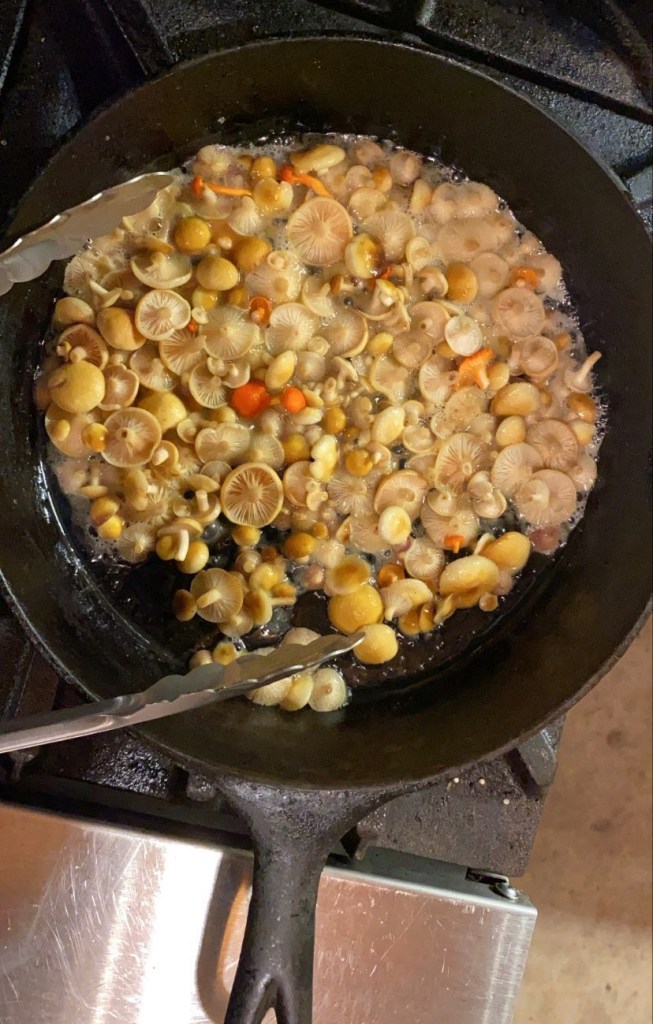
Commercial foraging business:

This company would make deals with private texas landowners to forage in their land. The products would then be brought to upscale restaurants.

Supply: Native foraged flora from commercial foraging team.

Demand: Upscale restaurants have begun to look inwards towards native foods and ingredients.
Lab design

Because we are dealing with fungi cleanliness is of the utmost importance.  The three elements of lab design well touch on in this post are establishing positive pressure within the lab, the importance of multiple doors between the cleanroom and outside world, and inoculation procedure. 

Establishing Positive pressure

Step one is ensuring your lab is air-tight except for where you want your air to dump out. In most cases, your laminar flow hood will be enough to establish positive pressure in your lab.  Larger scale-spaces will require external air handlers and equipment with external HEPA filters and UV lightboxes to properly clean outside air brought in.  It is essential to maintain positive pressure, if positive pressure were lost or reversed the potential for microbial contaminants entering the space is high. 

Creating an air lock

Creating a little space between your cleanroom and the outside/other rooms is essential. In this space non-organic storage areas with lab coats and a place to put shoes is important. This space can be achieved in a number of different ways. A popular DIY method is by using sliding glass doors for smaller scale rooms or swinging doors for larger rooms.  Having an airlock area will help prevent microbial contaminants as well as give you a space to store your cleanroom attire. 

Inoculation procedure

There is a lot that goes into the inoculation procedure but the three things we will touch on today are mass inoculation of grain spawn, inoculation of petri dishes from spores, and cloning mushrooms.  When inoculating a large number of bags/jars of hydrated grain for spawn, it is important to have your team assembled in an assembly line fashion.  You’ll need someone holding the bags, someone dropping the inoculation medium into the bags, and someone sealing and storing the inoculated bags.  To prevent contamination team members should wear lab coats, masks and avoid talking during the procedure. The actual act of inoculating the grain should take place within 6-8 inches of the laminar flow hood to ensure the transfer is done in a clean environment.  I have found when inoculating petri dishes from spores using a loop is an ideal tool. The first step in inoculating Petri dishes from spores is to sterilize your loop over an alcohol lamp. After you have allowed it to cool collect a good deal of spores from the print and spread them evenly in the middle of the petri dish, in an area about the size of a quarter. As the spores hatch and grow out it will allow you to isolate favorable phenotypes. When cloning mushrooms it is important that the mushroom you plan to clone is healthy and not at the end of its life cycle. Taking a tissue sample from the meat of the cap is appropriate for most mushroom species. The size of the tissue sample should be no larger than 1-2 centimeters. keep in mind this all takes place within 6-8 inches of your laminar flow hood. Something to be aware of when cloning mushrooms is there is a limit to the number of times you can clone. Cloning from 1-2 generations is usually best. Once you start getting into third and fourth-generation clones wasting diseases start to appear. 

Marketing 3335-02 Mushroom Blog

About me:

My name is Hayden T. I transferred from Texas Tech my junior year and am currently a senior at St.Edwards. This Blog will be geared towards everything mushrooms, including foraging, Lab work, and where the current market is headed.

Road map

  • foraging ID/edibility — Post 1
  • Lab etiquette and operations —- Post 2
  • Overview of market trends — Post 3

How do you plan to showcase your expertise?

I Plan to showcase my expertise by starting with basic identification, then the plan is to move into a lab setting where you can use the ID knowledge from the first post to do more advanced mycological work such as strain match ups isolating phoneotypes ect. I intend to end the blog with a post on market trends and where I feel the industry is headed.

Foraging Identification and Edibility :

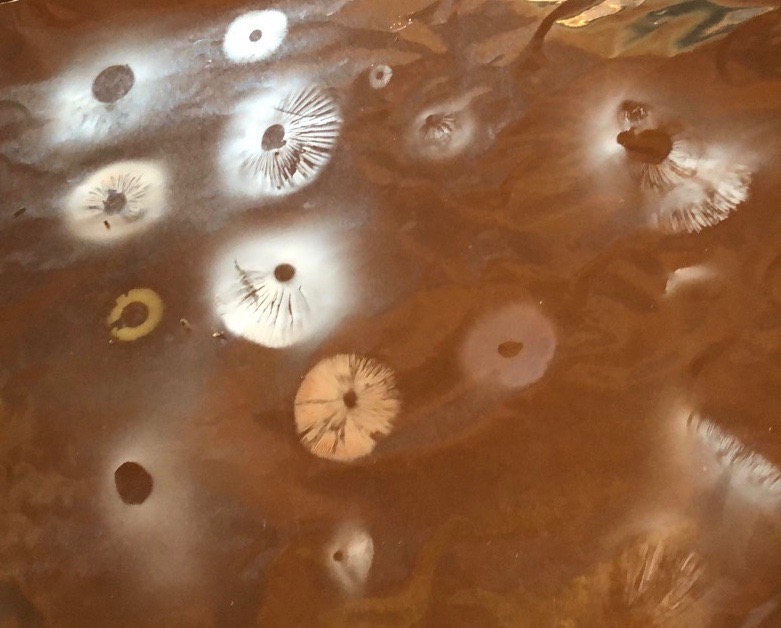
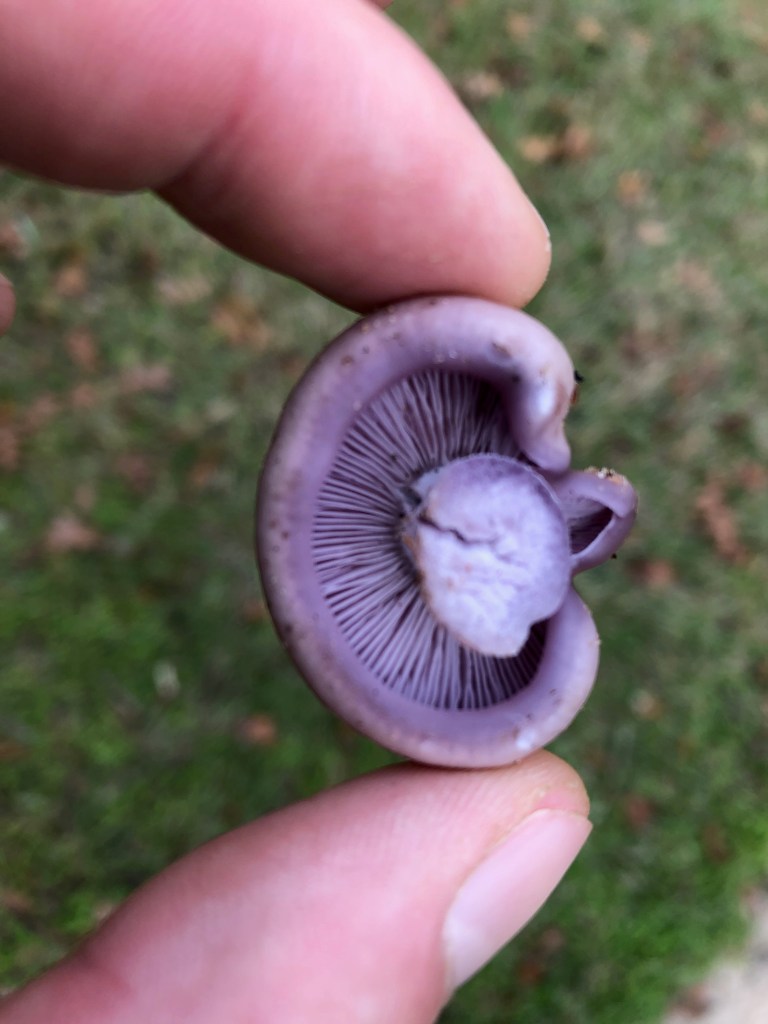
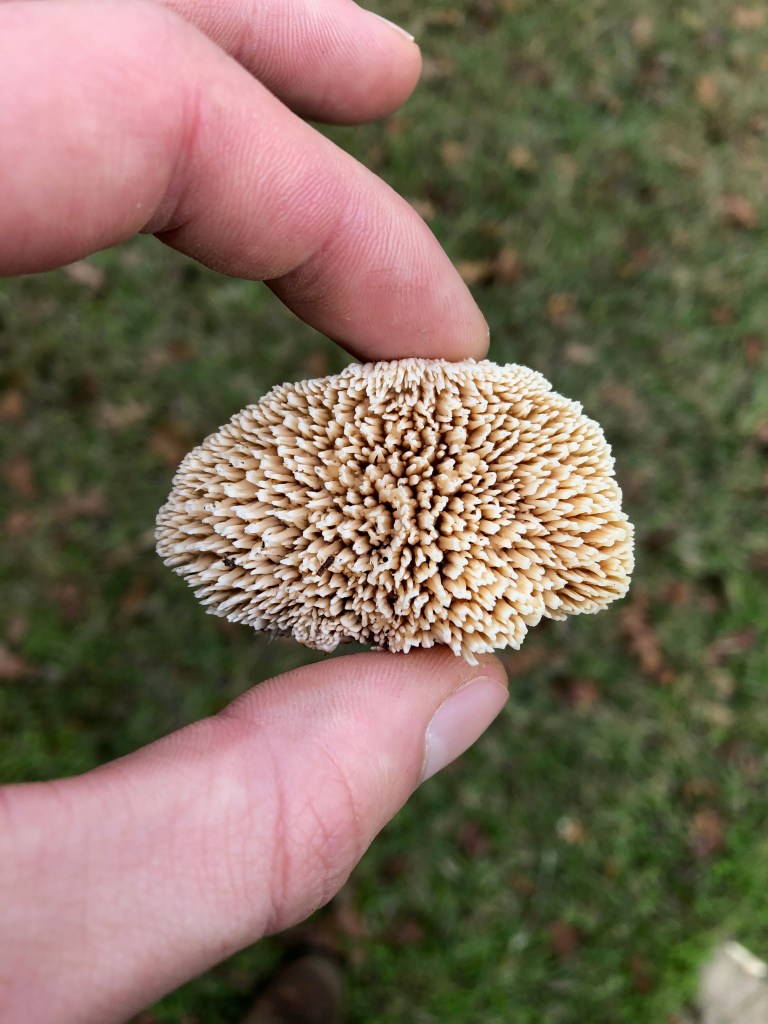
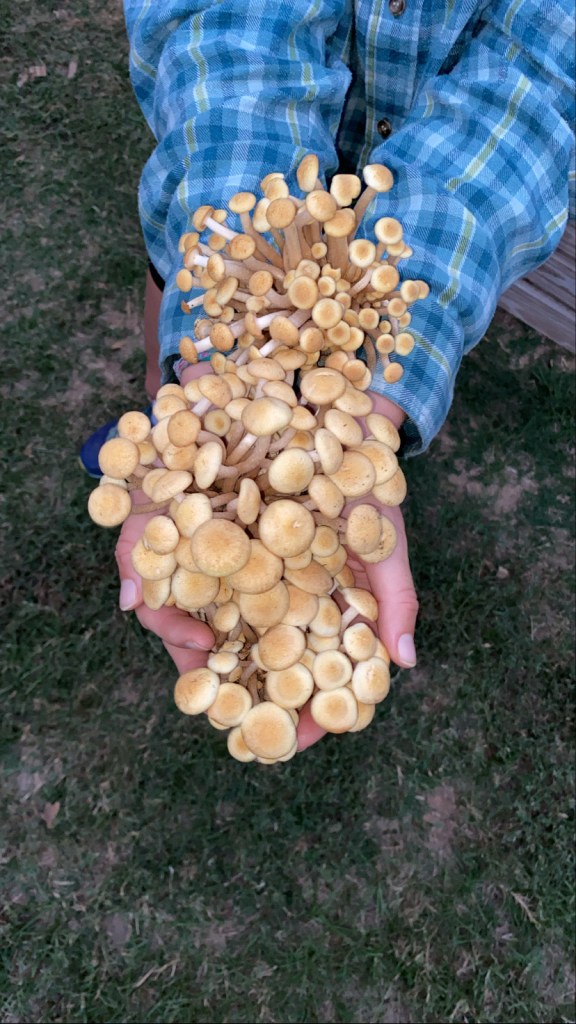
When picking mushrooms in the wild it is always a good idea to go into it with a plan. Especially if you are just learning. By plan I mean identify the season and conditions you will be foraging in and make a list of 3-4 species that you will be trying to find. This approach in my experience helps tremendously when just starting out because it narrows the characteristics you are looking for. If you were to just pick every mushroom you saw you would likely spend the next several hours or days trying to ID them, depending on your knowledge level. Two books I would recommend are Mushrooms Demystified and Texas mushroom identification. Of the two Mushrooms demystified will give you the best shot at identifying what you have found. The three easiest characteristics to identify are gill structure, spore coloration, and chemical reactions. There are several different varieties of gill/pore structures that help to narrow it down, most of the time you’ll be able to accurately identify the genus by the gills or pores alone. Spore coloration is observed by taking a spore print. Taking a spore print is as simple as detaching the cap from the stem, and laying the cap on a clean piece of paper or tin foil. Typically placing a cup or cloth over the cap helps to preserve the print and the cap while the spores are dropping. It typically takes around 5-8 hours to get a thick print. Spores vary dramatically in color and it helps to have black and white paper to provide better visibility when taking prints. The three reagents most commonly used are FeSO4 (Dilute ammonia), NH4OH(Iron sulfate ), and KOH(potassium hydroxide ) all of which are aqueous solutions. In my experience, I have found these reagents to be quite useful. In the book I mentioned earlier, Mushrooms Demystified, it will note which reagent the given species will react with, and what to look for.

It is typically best to err on the side of caution when eating mushrooms you have foraged for this first time. I personally do not eat anything I am not at least 90% sure about. I gauge my sureness by checking off as many characteristics as I can. The best way to become comfortable with foraging and confident in your identification skills is to find a mentor. I have found having a trained eye around when you are learning is extraordinarily beneficial. A mentor can put you on to subtle nuances that would otherwise go unnoticed.

In my opinion, forging for mushrooms is a very rewarding experience. I would strongly recommend reading a couple of books on identification before you eat anything. While there are a lot of delicious varieties out there, there are also some that can make you very sick or in some cases even cause death.